Managing Exam Stress: Proven Tips for Students to Stay Calm
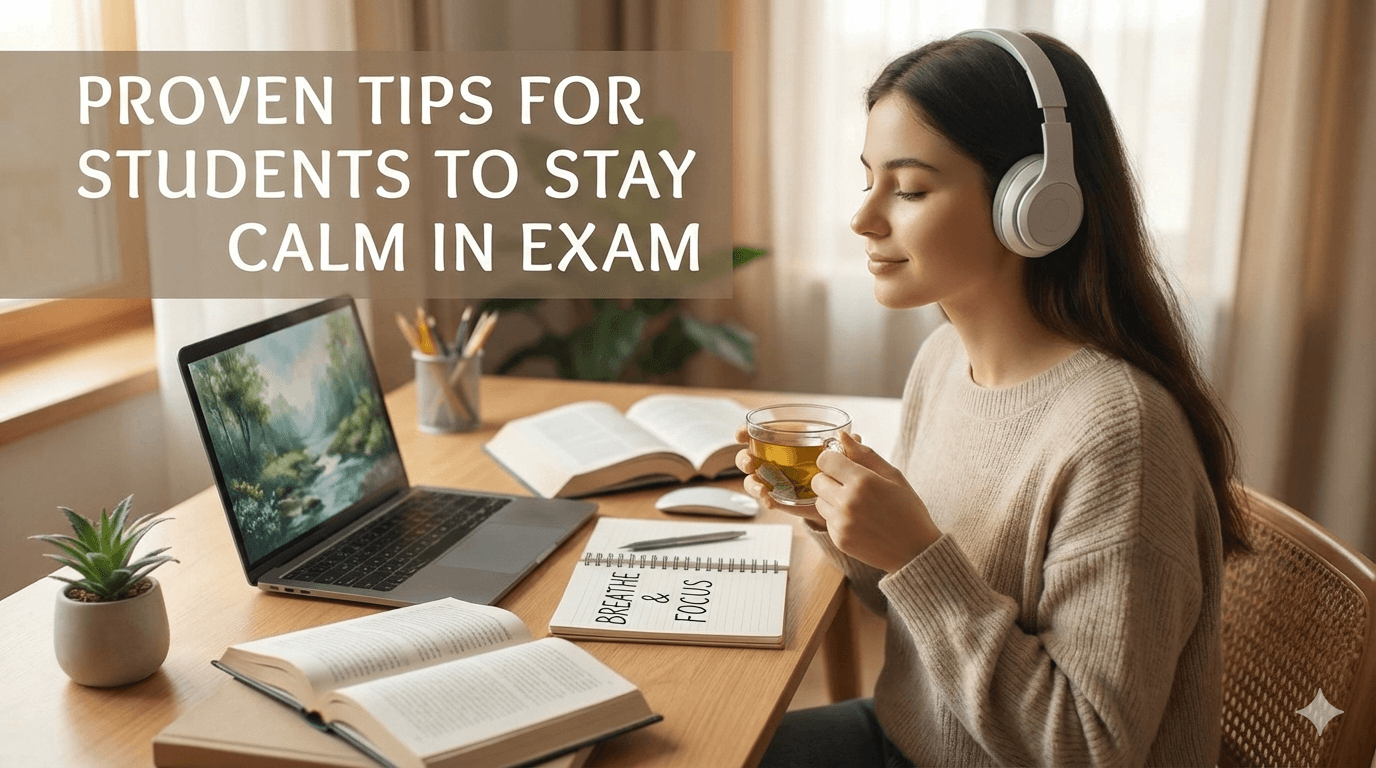
Exams are an important part of student life, but for many, they also bring pressure. Racing thoughts, sleepless nights, and constant worry are all common signs of exam stress. In case you are nervous during or before exams, you are not alone.
Learning effective exam stress management techniques can make a real difference in how you prepare, perform, and feel.
This guide is designed to help students understand how to deal with exam stress. Whether you’re facing school exams, college tests, or assessments, these tips help you gain more confidence, have less anxiety, and have a clear approach towards exams.
What Is Exam Stress, and Why Do Students Experience It?
Exam stress refers to the stress experienced by students when academic grades carry emotional weight. It shows when expectations are high, time is short, and outcomes begin to feel tied to self-worth.
Weeks or months of preparation must come together in a few hours. Combine family pressure, comparison with fellows, and fear of failure. Leaders believe effective exam stress management starts with understanding the problem, not fighting it unknowingly.
Common Causes of Exam Stress in Students
- Poor exam preparation planning makes the syllabus lengthy and difficult.
- Overloaded workloads lead to panic when things begin to pile up.
- Unrealistic expectations and pressure to score high every time.
- Silent comparison with classmates leads to self-doubt and loss of confidence.
- Grades, future goals, or reputation of parents/family.
- Lack of proper rest, which reduces focus and emotional balance.
- Digital distractions break concentration and extend study hours.
- Long, unproductive study sessions that replace progress with frustration.
How to Deal with Exam Stress Effectively
Learning how to deal with exam stress starts with shifting from reaction to intention. Stress grows fastest in environments filled with uncertainty. When students feel unclear about what to study, how much time remains, or where to begin, the brain fills gaps with worry.
Instead of pushing longer hours, strong stress control comes from smarter planning. A clear plan lowers emotional load before motivation even enters the picture. This approach also supports long-term stress management for students, not just short-term exam relief.
Create a Realistic Study Plan to Reduce Stress
- A realistic study plan values time, energy, and boundaries.
- Begin by dividing the syllabus into small and simple parts.
- Assign days to particular subjects and keep sessions short.
- Cover time-consuming topics on the high-energy days.
- Revise the work when concentration breaks.
- Installing buffers daily enables unexpected delays in stride.
Practical Exam Anxiety Tips That Actually Work
Dealing with stress in exams is not about avoiding it but about how to reduce its level. Exam anxiety tips aim to give students tools they can apply immediately. Techniques that reduce mental clutter, focus better, and relax before and during exams.
When students understand how their mind and body react under pressure, they will be able to respond rather than panicking. These strategies support both short-term performance and long-term stress management for students, helping them approach exams with clarity.
Breathing and Relaxation Techniques Before Exams
Controlled breathing calms nerves quickly:
- Techniques like deep diaphragmatic breaths or the 4-7-8 method slow the heart rate and reduce tension
- Just two minutes of focused breathing before an exam can clear intrusive thoughts and improve focus
Progressive muscle relaxation releases physical tension:
- Start from the feet and move upward, tensing and releasing each muscle group
- Reduces symptoms like tight shoulders, headaches, and overall body stress
- Signals the nervous system that it is safe to relax
Stress Management for Students During Exam Season
Dealing with stress during exam time is not just a study skill. Mental calm, focus, and resilience come from habits that support the body and mind. Effective stress management for students combines sleep, nutrition, movement, and short recovery breaks. Most students don’t know that these factors affect memory, focus, and mood.
Small changes in daily routines can reduce anxiety and increase confidence. The goal is not to remove pressure entirely but to manage energy, stay alert, and maintain emotional balance throughout exam periods.
Healthy Sleep, Nutrition, and Exercise Habits
Sleep:
- Aim for 7–9 hours per night to support memory consolidation and focus
- Avoid late-night cramming sessions that increase stress and fatigue
- Use short naps (20–30 minutes) if energy dips during long study days
Nutrition:
- Fuel the brain with balanced meals including protein, complex carbs, and healthy fats
- Hydration improves focus and reduces headaches; drink water consistently
- Limit excessive caffeine or sugar, which can spike anxiety and then crash energy
Exercise:
- Moderate physical activity reduces stress hormones and releases endorphins
- Short walks, stretching, or home workouts refresh both mind and body
- Movement can break study monotony and prevent mental fatigue
How to Stay Calm During Exams
Staying calm during exams is about managing the mind as much as the study material. Even students who have prepared thoroughly can feel waves of stress when the timer starts. Those who practice simple mental techniques before and during exams often feel clearer thinking and improved recall.
Regular practice of these methods also supports long-term stress management for students, helping them approach future assessments with confidence.
What to Do If You Panic During an Exam
Panic can strike unexpectedly, but immediate action can restore calm. Students can train themselves to respond instead of reacting, keeping performance on track.
Step-by-step techniques to regain composure:
- Pause and Breathe:
- Take three slow, deep breaths to lower your heart rate
- Focus attention on the breath rather than racing thoughts
- Ground Your Mind:
- Notice physical sensations like feet on the floor or the pen in your hand
- Mentally name five things you see around you to shift focus from panic
- Break Down the Paper:
- Scan the exam to identify easier questions first
- Answer small, manageable sections to regain momentum
- Positive Self-Talk:
- Remind yourself that one question does not define the entire exam
- Use phrases like “I’ve prepared for this” or “I can handle this one step at a time.”
- Use Short Mental Pauses:
- Close your eyes for 5–10 seconds and reset
- Stretch hands or shoulders to release tension
Final Thoughts
Managing exam stress is about learning stress management techniques that work for students. By planning your study time wisely, practicing relaxation techniques, and taking care of your mental and physical health, you can reduce exam anxiety and improve focus.
With the right mindset and coping strategies, it’s possible to stay calm during exams and perform at your best. If exam stress becomes overwhelming, seeking support from teachers, family, or mental health professionals is a sign of strength, not a sign of weakness.
Educators and mental health professionals widely recommend these strategies to help students manage exam anxiety.
Need Expert Guidance?
Ready to help a student unlock their full potential? Explore The Brilliant Brains and connect with qualified tutors, or consider personalized tutoring plans that prioritize individual learning needs.
FAQs
How to Manage Exam Anxiety Effectively?
Create a realistic study plan, practice deep breathing exercises, prioritize sleep and physical activity, and use positive self-talk to break tasks into smaller parts. These methods help reduce overwhelm by building preparation and mindfulness habits.
What to Do If Panicking During an Exam?
Pause immediately, take 3-5 slow, deep breaths, sip water if possible, and focus on your senses to ground yourself before tackling confident questions first. This builds momentum and calms nerves without losing time.
How to Stay Calm Before Exams?
Develop a structured study schedule with breaks like the Pomodoro technique, visualize success, avoid last-minute cramming, and engage in light exercise or mindfulness. Starting preparation early and maintaining a healthy routine prevents the buildup of stress.
What Relaxation Techniques Work Quickly?
Use deep breathing (inhale for 4 seconds, hold, exhale for 6), progressive muscle relaxation, or the 5-4-3-2-1 grounding method, naming things you sense. Short walks or listening to calming music also provide instant relief before or during study sessions.
How Much Sleep Is Needed and Why?
Aim for 7-9 hours nightly to boost memory retention and focus and reduce anxiety, as sleep deprivation heightens stress. Establish a bedtime routine without screens to ensure restful sleep during exam season.